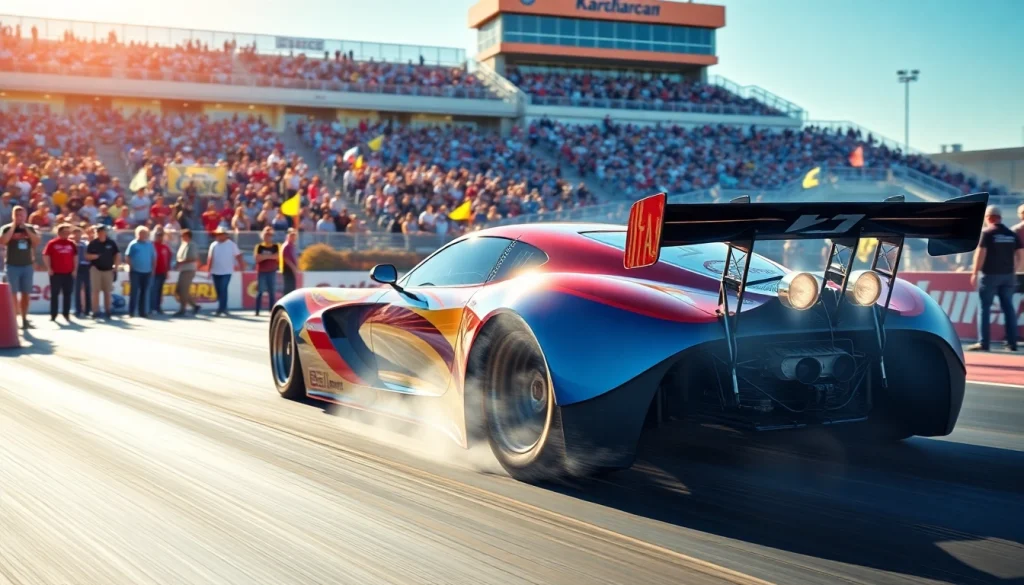
Understanding Drag Racing Events
What are Drag Racing Events?
Drag racing events represent high-octane competitions that pit vehicles against each other in a straight-line race, typically spanning a quarter-mile or eighth-mile track. These events are not merely races but embody a cultural phenomenon that draws spectators and participants from diverse backgrounds. Enthusiasts gather to experience adrenaline-laced moments, celebrate automotive engineering, and revel in the camaraderie of fellow race fans. Drag Racing Events serve as a dynamic showcase of speed, technology, and the relentless pursuit of performance.
The Evolution of Drag Racing
Originating in the United States in the 1940s, drag racing has evolved from informal street races to highly organized events governed by official sanctioning bodies like the National Hot Rod Association (NHRA) and the International Hot Rod Association (IHRA). Initially, racers would compete on city streets, setting the stage for formal tracks that emerged post-World War II, as returning veterans brought their passion for speed and machinery. By the 1960s, drag racing gained mainstream popularity, fueled by the performance car boom and media coverage.
The technical specifications of vehicles, rules governing races, and safety measures have all seen significant advancements. Today’s drag races feature specialized vehicles built for immense power and speed, accompanied by rigorous safety protocols. This evolution reflects the competition’s growing complexity and the community’s dedication to maintaining excitement while ensuring racer safety.
Key Terminology in Drag Racing
- Eliminations: The rounds of racing that determine which competitors advance to the final. Each round eliminates those with slower times until one winner remains.
- RT (Reaction Time): The time taken for a racer to react to the starting signal. A critical metric, as it can greatly influence the outcome of a race.
- Dial-In: A predictive time chosen by the racer that represents their expected run time. This is crucial for bracket racing where racers compete against their predicted times.
- Burnout: The act of spinning the tires to heat them up and maximize grip before a race.
- Nitrous Oxide (N2O): A chemical compound used to provide an extra boost to engine performance, widely popular in drag racing.
Major Drag Racing Events in the U.S.
The NHRA Series
The NHRA, established in 1951, is a cornerstone of professional drag racing in the United States, hosting events that feature some of the fastest vehicles in the world. Among the signature events is the NHRA Mello Yello Drag Racing Series, which includes prestigious races such as the Gatornationals, U.S. Nationals, and the Winternationals. Each event attracts top-tier racers from various competitions, showcasing vehicles that rocket down the track at speeds exceeding 330 mph.
The NHRA’s structured schedules include both professional and sportsman classes, ensuring participants of varying skill levels can compete. Racers earn points towards championships, and each event offers an opportunity for glory, prize money, and the thrill of victory among their peers.
Top Regional Events to Attend
Regional drag racing events serve as a vital component of the racing culture, offering fans a chance to witness local talent and unique automotive creations. Events such as the California Hot Rod Reunion and the World Series of Drag Racing have captured the imagination of fans and drivers alike. These gatherings not only feature competitive racing but often celebrate automotive history, nostalgia, and craftsmanship.
Another noteworthy mention is the Bristol Dragway’s Thunder Valley Nationals, known for its electric atmosphere and scenic backdrop. Moreover, local tracks host weekly racing series, providing an accessible platform for newcomers to join the sport, engage with local car clubs, and build lasting connections.
Unique Themed Racing Days
Themed racing days inject creativity and excitement into drag racing events. Pink Days, for example, are organized to raise awareness for breast cancer, encouraging racers and fans to wear pink or decorate their vehicles enthusiastically. Night Racing events, typically featuring illuminated tracks, create a thrilling atmosphere that differs from daytime competitions.
Other themes include Halloween-themed races and Classic Car Nostalgia events, where participants are encouraged to showcase vehicles from specific eras, often judged not just on speed but also on authenticity and creativity in presentation. These themed days foster community spirit and broaden the appeal of drag racing, enticing spectators who might not otherwise have a direct interest in motorsports.
Preparing for a Drag Racing Event
Essential Gear and Equipment
Whether participating as a driver or attending as a spectator, preparation is essential for a fulfilling drag racing experience. For drivers, essential gear includes a fire-retardant racing suit, helmet, gloves, and shoes—items governed by strict safety regulations to protect against potential risks. Racers should ensure their vehicle meets safety standards, including proper roll cages, seat belts, and safety harnesses to adhere to event rules.
Spectators should come equipped for a day of excitement. Bring ear protection, sunscreen, and refreshments, as drag racing events often last several hours. Comfortable seating or blankets can enhance enjoyment, allowing fans to relax while watching the thrilling races take place.
Best Practices for Spectators
For spectators, the drag racing experience is richly rewarding, but it’s essential to follow certain best practices to ensure safety and enjoyment. Firstly, familiarize yourself with the venue layout, including restroom facilities, food and beverage areas, and designated spectator points for optimal viewing. Arrive early to secure a prime seat, as the closer you are to the track, the more exhilarating the experience.
Further, consider joining a guided tour or participating in fan experience events offered during major races to gain insight into the behind-the-scenes activities, vehicle technology, and the racing process. Lastly, showing respect for the teams and the sport is crucial; maintain a positive attitude, cheer for your favorites, and engage with other fans to enhance the overall atmosphere.
Tips for First-Time Attendees
Attending a drag racing event for the first time can be a daunting yet exciting experience. To maximize enjoyment, start by researching the specific event’s schedule, rules, and historic significance. Understand the format of the event, whether it’s elimination rounds or bracket racing, to grasp the competition structure better.
When you arrive, take time to explore the pit area if allowed, which can provide an insider’s view of teams preparing their vehicles. Engage with drivers and crew members—they often enjoy sharing stories and experiences with fans. Lastly, embrace the lively atmosphere; participate in games, enjoy fan merchandise, and most importantly, soak up the adrenaline-drenched excitement that defines drag racing.
Enhancing Your Drag Racing Experience
Joining the Drag Racing Community
Drag racing thrives on its community, encompassing a network of enthusiasts, racers, and fans who share a common passion for speed and horsepower. Joining local car clubs or online forums can enrich your understanding of the sport and provide valuable networking opportunities. Engage with social media groups—platforms like Facebook or Instagram often feature dedicated pages where members share videos, experiences, and racing tips.
Participate in local events, attend car shows or meet-and-greets with drivers to connect with others who share your enthusiasm. Relationships formed within the community often translate into lifelong friendships, creating a supportive environment that encourages continued involvement in the sport.
Participating in Local Events
For those looking to take their passion for cars and racing to the next level, participating in local drag racing events is a thrilling option. These grassroots events often welcome all types of vehicles, from high-performance machines to classic cars, highlighting both skill and creativity.
Research your local tracks to find out about upcoming events, practice nights, and test-and-tune sessions. Often, tracks feature classes catered to beginners, allowing novice racers to learn the ropes in a supportive atmosphere. Connecting with experienced racers can provide invaluable knowledge and mentorship as you embark on your drag racing journey.
Choosing the Right Event Type
Selecting the right type of drag racing event is crucial to enhance your experience, whether you’re spectating or racing. For novices, starting with bracket races can alleviate some pressure, as these events emphasize consistency over raw speed. For seasoned racers, participating in professional series like the NHRA offers top-tier competition and prestige.
Consider attending special events that feature exhibitions, like Top Fuel or Funny Cars, showcasing the upper echelons of drag racing. Alternatively, exploring nostalgia events allows you to revel in the golden eras of drag racing—often, fans can witness classic vehicles and technologies that paved the way for today’s innovations.
The Future of Drag Racing Events
Emerging Trends and Technologies
The future of drag racing stands at the intersection of tradition and innovation. The integration of electric vehicles (EVs) into the drag racing landscape marks a significant shift. Events like the eCascadia Top Dragster Series showcase the potential of electric-powered drag racing, attracting a new audience while compelling traditionalists to embrace this evolution.
Alongside increasing EV participation, advances in data analytics and telemetry provide competitors with deeper insights into vehicle performance, enabling more precise tweaks and enhancements. Such advancements pave the way for optimized race strategies, ensuring the sport remains not only competitive but at the forefront of technological progress.
Environmental Impact and Sustainability
As the world increasingly emphasizes sustainability, drag racing enters a new chapter in environmental responsibility. Organizations are adopting measures to offset their carbon footprints, notably utilizing biofuels and recycled materials in vehicle construction. Major governing bodies, particularly the NHRA, are actively exploring sustainable practices to ensure the sport’s longevity and positive reputation within the community.
Fans and participants can also contribute by supporting eco-friendly events and advocating for environmentally sound upgrades in vehicle technology. Collectively, these efforts promise to preserve the thrill of drag racing for future generations while maintaining a conscious approach to environmental stewardship.
The Role of Social Media in Promoting Events
In an age defined by connectivity, social media plays a pivotal role in promoting drag racing events. Racing organizations leverage platforms like Facebook, Twitter, Instagram, and TikTok to reach broader audiences, providing real-time updates, behind-the-scenes access, and engaging content that resonates with both new fans and veteran enthusiasts.
Event promotions frequently utilize captivating visuals, race highlights, and interactive campaigns to cultivate excitement. The community atmosphere generated on social media can help bridge gaps between fans and racers, allowing for shared experiences from those who might not be able to attend events in person. Such digital engagement fosters a strong sense of community beyond the physical tracks, ensuring that drag racing maintains its relevance in an ever-changing landscape.